Magnesium & Perimenopause
You've probably heard that magnesium is important during perimenopause, but did you know you can get it from a wide range of everyday foods as well as supplements? In my experience, it can be really helpful to include both.
When I'm working with women in perimenopause, magnesium is one of the nutrients I'm always talking about because it's just so important.
Magnesium plays a role in energy production and muscle function, and it's well known for supporting sleep. It's also great for mood, helps support the nervous system, which can often feel completely frazzled during perimenopause - and plays an important role in supporting our hormones too.
Magnesium-rich foods to add to your diet during perimenopause
While supplements can be very helpful, I always encourage people to start with food. Making sure you're regularly including magnesium-rich foods in your diet, alongside a supplement if needed, can make a real difference.
Some of my favourite magnesium-rich foods include:
- Pumpkin seeds
- Almonds
- Cashews
- Dark leafy greens such as spinach and kale
- Beans and lentils
- Avocados
- Dark chocolate
- Cacao
The key is to include these foods regularly and to enjoy a good variety of them—not just the chocolate!
Rather than relying on a single source, whether that's pumpkin seeds or anything else, aim to eat a range of magnesium-rich foods throughout the week. Variety is one of the best ways to support your overall nutrient intake.
When I work with clients in my clinic, I always look at the foundations first. It's often those small changes to your diet and lifestyle that can make the biggest difference over time.
So, if you've been hearing about magnesium and wondering where to find it or whether you should be taking a supplement, my advice is to start by adding more magnesium-rich foods to your meals.
Magnesium supplement
Supplementing can absolutely be worthwhile too. Magnesium is one of those nutrients that many women can benefit from, particularly during perimenopause when our stores may already be running low. But wherever possible, try to get those magnesium-rich foods in as well.
If you're looking to top up your magnesium intake, I often recommend A.Vogel Menopause Support tablets, which contain a good amount of magnesium. They can be a great option to complement a magnesium-rich diet, helping you support your intake alongside the foods you're already eating.
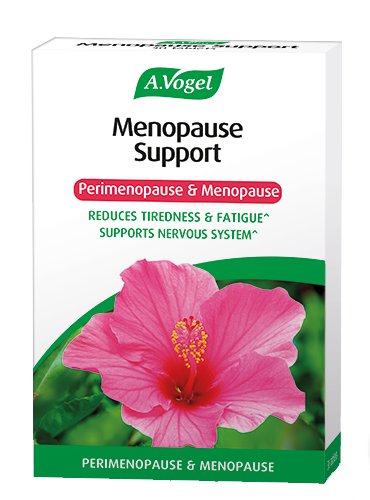
A.Vogel Menopause Support | For Perimenopause, Menopause & Postmenopause Symptoms
£8.99 (30 tabs) In Stock
Have you tried a magnesium supplement before? Have you found it helpful, particularly for your perimenopause symptoms? I'd love to hear about your experience.
You may also find these articles helpful:
Why You’re Losing Magnesium When You Need It Most During Menopause
5 factors that affect your magnesium intake during perimenopause and menopause