Coffee in the morning | Thoughts from a Nutritionist ☕️✨
Thoughts from a Nutritionist
Coffee in the morning—simple habit, right? Not quite.
Ask about it, and you’ll likely hear completely different opinions depending on who you’re speaking to.
As a nutritionist, I often find myself giving different answers depending on the lens I’m using:
-
What does the research say?
-
What makes sense from a physiological perspective?
-
And most importantly, how does it affect you as an individual?
This is exactly why coffee can feel like such a confusing topic.
What Does the Research Say?
Let’s address the big headline:
Does coffee increase cortisol?
Short answer: yes, it can.
But here’s where things get tricky. Nutrition research is rarely black and white. There are:
-
Confounding factors
-
Differences in study design
-
Variations in individuals being studied
And of course, media headlines often amplify the most dramatic angle.
So while studies do show that caffeine can raise cortisol levels, the real question is:
? What does that actually mean for your body?
Understanding Cortisol: Not All Bad
Cortisol often gets a bad reputation, but it’s not the enemy.
It plays an important role in:
-
Waking you up
-
Supporting energy levels
-
Managing inflammation (in the short term)
The key issue is balance.
Some people:
-
Handle short bursts of cortisol very well
-
Even thrive under mild stress
Others:
-
Feel jittery, anxious, or overwhelmed
-
Notice digestive upset or poor focus
Your response depends on:
-
Genetics
-
Lifestyle and stress levels
-
Sleep quality
-
Overall resilience
The Bigger Picture: Stress & Recovery
It’s rarely just about the coffee.
If your life already involves:
-
High stress
-
Poor sleep
-
Limited downtime
Then adding regular caffeine on top may push your system too far.
Chronic elevation of cortisol can impact:
-
Mood and mental clarity
-
Physical performance
-
Digestion
-
Overall wellbeing
That’s why I always come back to this idea:
? It’s not about eliminating stress—it’s about balancing it with enough calm.
And sleep? That’s your biggest opportunity to restore that balance.
Why Do You Drink Coffee?
From a nutritionist’s perspective, I’d always ask:
What’s driving the habit?
Is it:
-
The taste?
-
The ritual?
-
The energy boost?
-
The antioxidants?
Understanding why you reach for coffee helps determine whether it’s truly serving you.
The Individual Factor: How Does It Make You Feel?
This is the most important piece.
You can:
-
Dive into genetic testing
-
Analyse research papers
Or…
You can simply pay attention to your body.
Ask yourself:
-
Do I feel focused or anxious after coffee?
-
Does it support my energy—or lead to a crash?
-
How does it affect my digestion?
If you’re unsure, working with a nutritionist can help you spot patterns and tailor your intake.
My Personal Take
As for me?
Most days, I opt for green tea.
But I do enjoy the occasional coffee—under the right circumstances.
-
With friends
-
As a treat
-
When I’m somewhere special.
The key is intentionality.
Not drinking it mindlessly—but being aware of how, when, and why I’m having it.
Final Thoughts
Coffee isn’t “good” or “bad.”
It’s context-dependent.
The real takeaway?
? Understand the research
? Consider your physiology
? Listen to your body
And then make a choice that works for you when it comes to your morning brew.
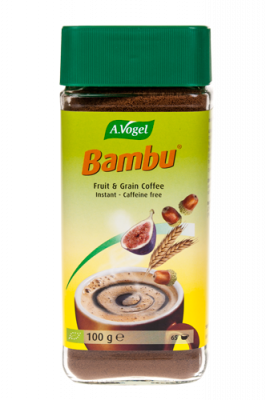
Bambu® Coffee substitute
- 100% natural, organically grown ingredients
- No caffeine
- Can be drunk at any time of the day
- Instant drink as a coffee substitute
“It has a lovely mild taste which is similar to a mild coffee great if you are cutting back on caffeine”