Do beans make you bloat? Let's talk about why!
Beans are brilliant. They’re packed with fibre, plant-based protein and a whole host of nutrients — but if you’ve ever eaten a bowl of beans and ended up feeling bloated, you might wonder whether they’re actually worth it.
So, what’s the solution?
Cut beans (and other high-fibre foods) out of your diet?
I don’t think so.
Instead, let’s take a step back and ask a more useful question:
Why Are Beans Making You Bloat?
There are a few possible reasons why beans and other fibre-rich foods might cause digestive discomfort.
Weak Digestive Secretions
Your digestive system relies on various secretions to break down and process the food you eat. Stress can affect digestion, and some medications, such as proton pump inhibitors (PPIs), can also alter the digestive environment.
When digestion isn't working optimally, certain foods may become more difficult to tolerate.
An Imbalance in Gut Bacteria
Your gut is home to trillions of microbes, and the types and amounts of fibre you eat can influence this community.
Gut bacteria ferment certain types of fibre, which can produce gas as a natural by-product. If you're not used to eating much fibre, suddenly introducing lots of beans can therefore lead to more gas and bloating.
A number of factors can influence the balance and diversity of your gut microbes, including your diet, stress, sleep, alcohol intake, and previous use of antibiotics or acid-suppressing medication.
Could More Fibre Actually Help?
This might sound counterintuitive, but for some people, the answer isn't to remove all the foods that cause bloating.
Instead, gradually increasing the variety and amount of fibre in your diet may help you tolerate more plant foods over time.
That could mean working towards eating a wider range of vegetables, fruits, whole grains, legumes and — yes — those brilliant beans.
The key word here is gradually.
Why It Can Get Better Over Time
If you don't normally eat much fibre, suddenly eating a large portion of beans can produce quite a reaction.
But your gut microbes can start to adapt to a higher-fibre diet. Gradually increasing your fibre intake may therefore help make bloating less pronounced over time.
Think of it as giving your digestive system and gut microbes time to adjust, rather than going from very little fibre to a huge bowl of beans overnight! Plus, you'll then get the benefits of more natually product postbiotics as they happily ferment away, result!
How to Make Beans Easier to Tolerate
There are a few simple approaches you can take to upping your beans (or any new fibre, for that case):
- Start with small portions and gradually increase them.
- Rinse canned beans thoroughly before eating them.
- If you're using dried beans, soak them and discard the soaking water, then cook them thoroughly in fresh water.
- Increase your overall fibre intake gradually, rather than making a sudden jump.
- Drink enough fluid as you increase your fibre intake. Although, always separately from meals.
You may also find that some types of beans agree with you better than others. This is why we're individuals and should be treated as so.
For example, you might tolerate lentils better than kidney beans, or chickpeas better than another variety. It's worth paying attention to your own individual response rather than assuming that every type of bean will affect you in the same way. Listen to your body, always.
You Don't Necessarily Have to Give Them Up
Bloating doesn't automatically mean that a food is "bad for you" or that you need to remove it from your diet forever.
Sometimes, it may simply be a sign that your digestive system needs a little time and support to adapt.
And this is where a nutritionist can be really helpful — particularly if you're struggling to increase your fibre intake or you're unsure how to approach digestive symptoms without unnecessarily cutting more and more foods from your diet.
The Goal Isn't to Eat Less — It's to Tolerate More
Rather than constantly asking, "What else should I cut out?", it can be useful to ask:
"What can I do to improve my tolerance?"
Because the ultimate goal isn't necessarily to have a smaller and smaller list of foods you can eat.
It's to build towards a varied, nourishing diet that includes plenty of different plant foods — including those brilliant beans.
If this sounds familiar, and learning to tolerate a wider variety of foods is something you'd like to achieve, follow along on my socials or get in touch with me directly.
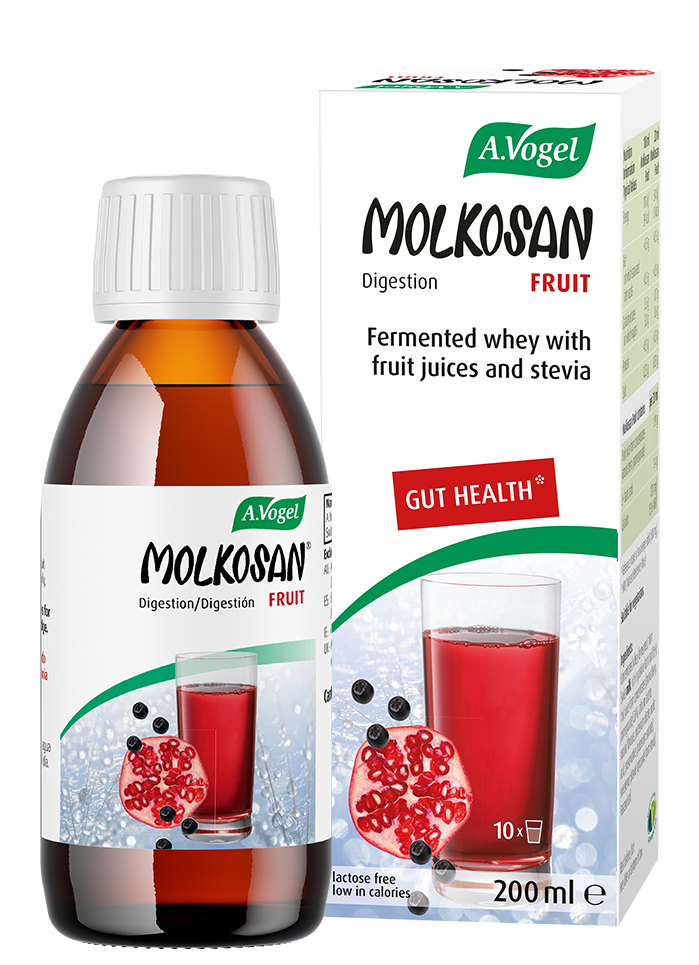
A.Vogel Molkosan Fruit | Prebiotic Formula Providing Gut Health Support | Ariona Berry & Pomegranate | 200ml
£9.99 (200ml) In Stock Get it tomorrow, 17th October.
 Looking for a healthier alternative to regular salt? Well, look no further!