Menopause and Fears
Recently, we asked the We Talk Menopause community whether they had noticed any new or worsening fears during this stage of life.
The response was overwhelming. I was genuinely surprised by just how many women shared similar experiences.
Many women said they were dealing with fears that were completely new, while others noticed that old fears they hadn’t experienced in years had suddenly returned.
So, here are the five most common fears women shared with us, why they can appear at this time, and some things that can help.
1. Fear of Driving
One of the most frequently mentioned fears was driving anxiety.
Women described suddenly feeling panicked behind the wheel, especially in situations that never used to be a problem before.
This might show up as:
- Panic at traffic lights
- Feeling overwhelmed at junctions
- Struggling with roundabouts
- Avoiding busy roads or motorways
Some women said they felt so anxious that they almost froze, unable to move the car forward.
Others described worrying about losing control or feeling intensely stressed about other drivers cutting them up.
Night driving was another common issue. Bright headlights from oncoming traffic can suddenly feel overwhelming.
Some women even described feeling trapped in the car, as though they couldn’t escape the situation.
2. Fear of Going Out
Another very common experience was suddenly feeling safer staying at home.
Many women said they had lost their desire to go out socially. Busy environments that once felt normal now felt exhausting or overwhelming.
Common triggers included:
- Supermarkets
- Crowded shops
- Busy social events
- Large gatherings
For some women, the feeling was similar to agoraphobia, even if they had never experienced anything like that before.
The thought of going out and socialising can suddenly feel very unappealing, and staying at home can feel like the only place where you feel calm and safe.
3. Fear of Not Waking Up (or Fear of Death)
This was another fear that surprised many people.
It’s something that isn’t talked about very often, but many women quietly experience it.
Some women reported feeling anxious about going to sleep because they worried they might not wake up.
This fear can obviously have a big impact on sleep quality.
Sometimes it’s connected to becoming more aware of our own mortality, particularly if you have ageing parents or loved ones whose health may be changing.
Night-time symptoms can make this fear even worse, such as:
- Sudden waking in the night
- Heart palpitations
- Nightmares
- Extremely vivid dreams that feel very real
Some women can also experience night terrors or sleep paralysis, where you wake up but feel unable to move. I’ve experienced this myself a few times, and it’s definitely not something I’d want to repeat.
4. Health Anxiety
Health anxiety is another very common experience during perimenopause and menopause.
You may have been feeling perfectly fine, and then hormonal changes suddenly bring a whole range of unfamiliar symptoms.
These might include:
- Heart palpitations
- Anxiety or panic
- Joint pain
- Digestive problems
- Fatigue
If these symptoms appear suddenly, it’s easy to assume something serious is wrong.
Many women end up searching online for answers, which often makes the anxiety worse rather than better.
Sometimes the fear becomes so strong that even going to the doctor feels stressful. Going to the dentist is another fear that some women mentioned.
You may worry about appointments, tests, or referrals, and start imagining the worst-case scenario.
Unfortunately, this type of anxiety can quickly spiral if it isn’t addressed.
5. Claustrophobia
The final fear many women mentioned was claustrophobia or anxiety in enclosed spaces.
Situations that once felt completely normal can suddenly feel uncomfortable or even frightening.
Common triggers included:
- Lifts
- Crowded supermarkets
- Concerts or busy venues
- Aeroplanes
- Public transport such as trains
Some women said they had started avoiding holidays because they were too afraid to get on a plane.
Others found themselves avoiding crowded places altogether and preferring to stay at home where they felt safe.
It’s heartbreaking to hear how much this can affect everyday life.
Why Do These Fears Happen During Menopause?
One of the biggest factors is hormonal change. Oestrogen plays an important role in regulating brain chemicals such as serotonin and dopamine, which help keep anxiety and mood balanced.
When oestrogen levels start to fall, these chemicals can also be affected. This can make the nervous system more reactive and sensitive.
You may find yourself entering fight-or-flight mode much more easily, even in situations that wouldn’t previously have triggered a strong reaction.
Sleep can also play a big role. Night sweats and disrupted sleep are common during menopause, and poor sleep can make the nervous system far more sensitive the next day.
What Can Help Calm Menopause-Related Fears?
The first and most important step is talking about it. These fears are not “all in your head”. They’re often the result of real physiological changes happening in the body.
Talking to friends, family, colleagues or menopause support groups can make a huge difference. Simply sharing experiences can help you realise that you’re not alone and that what you’re feeling is far more common than you might think.
You might find it helpful to set up a small menopause support group with friends, colleagues, or even women in your local community. Having a safe space where you can talk openly, ask questions and share what’s working for you can be incredibly reassuring.
We’ve set up a menopause group at work ourselves, and we meet regularly for informal chats. It’s been surprisingly helpful — sometimes just hearing someone say, “I’ve experienced that too,” can make a world of difference.
Some other helpful strategies include:
Calm Your Nervous System
Simple techniques can help regulate your stress response, such as:
- Deep breathing exercises
- Yoga or relaxation before bed
- Magnesium is known to help support the nervous system
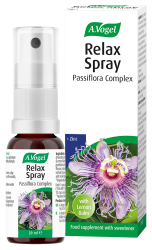
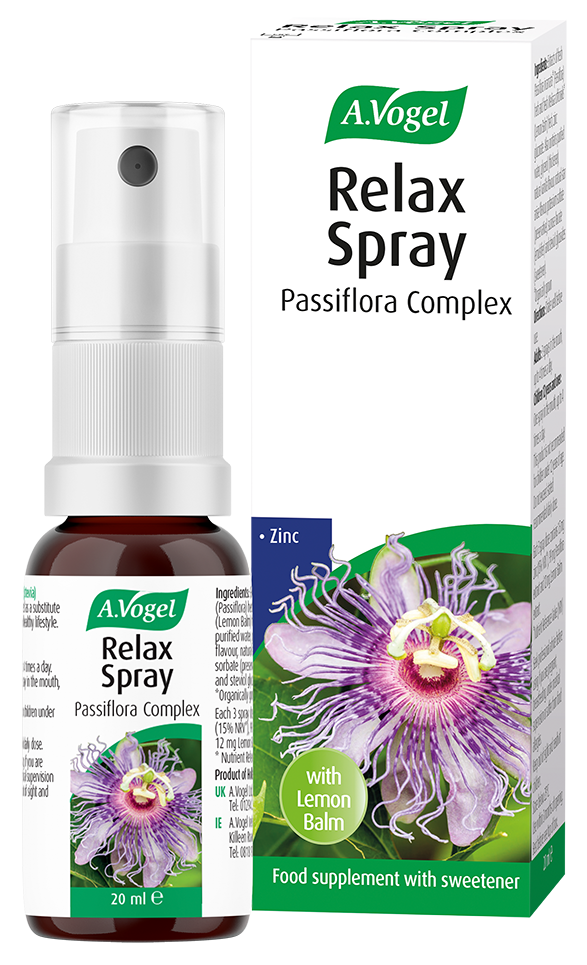
- You can also use herbs to help you relax, like our Relax Spray with Passiflora and Lemon balm – this is great for on the go or in the car when you need a bit of extra support.
Stay well hydrated
Hydration is something I mention often because dehydration can significantly affect the nervous system, and drinking enough water can sometimes help quite quickly.
Try Simple Relaxation Techniques
One thing I personally love is deep breathing. It’s simple, but it can be incredibly effective when anxiety starts to build. Over the past couple of weeks, so many of you in the community have also mentioned how much deep breathing has helped you cope in those moments when the fears start to rise.
Another technique I’ve been reading about recently, which I find really interesting, is humming. It might sound a little unusual at first, but humming can actually help calm the nervous system by stimulating the vagus nerve. If you’re curious about this one, it’s definitely worth looking into — the science behind it is fascinating.
When to Seek Additional Support
For many women, these fears come and go in phases. I experienced this myself, and thankfully it passed with time.
However, if your fears start to grow or begin to limit your daily life — for example if you feel unable to leave the house or start isolating yourself — it’s important to seek support.
Therapies that many women find helpful include:
- Cognitive Behavioural Therapy (CBT)
- Emotional Freedom Technique (EFT)
- Neuro-Linguistic Programming (NLP)
These approaches can help you learn practical tools to manage anxiety and fears.
You’re Not Alone
The number of women who shared their experiences with us was truly eye-opening.
If you’ve experienced fears during menopause, please know that you’re far from alone, and for many women these feelings do pass with time.
If you’ve noticed different fears or experiences during menopause, sharing your story can help other women realise they’re not the only ones going through it.