
Menopause & Your Increased Nutritional Needs
During perimenopause and menopause, the body goes through huge changes — emotionally, physically and hormonally — and as a result, your nutritional needs can increase dramatically.
On top of that, most of us are dealing with daily stress, which can really deplete our vitamin and mineral stores. Digestive changes are also common at this stage of life, meaning digestion can become weaker and we may not be absorbing nutrients as efficiently as we once did.
All of this can have a big impact on what your body needs — and what it may not be getting.
You’ve probably heard me talk about magnesium, iron, vitamin D and vitamin B12. However, today I want to focus on a few nutrients that are often really overlooked but can make a big difference during menopause.
1. Iodine – A Key Nutrient for Thyroid Health
Iodine is absolutely essential for healthy thyroid function.
One thing I’ve noticed over the years is that thyroid function can be one of the first things affected during perimenopause and menopause — and often without us realising. The changes can be very subtle, and even if you have blood tests done, they may not show anything clearly at first. However, those changes can already be happening.
When the thyroid starts to underperform — even slightly — symptoms can include:
- Low mood
- Anxiety
- Depression
- Hair loss
- Weight gain
- Muscle aches and pains
It can also affect your nails, skin and hair. A classic sign of an underactive thyroid is thinning or loss of hair at the outer edges of the eyebrows, as well as sudden or excessive hair loss.
How to Support Iodine Levels Safely
This is one nutrient where overdosing can be serious, so it’s very important to stay within the recommended daily allowance, which is just 150 micrograms — a tiny amount.
In the UK, our soil is naturally low in iodine, so even with a very healthy diet rich in vegetables, you may not be meeting your needs.
You could consider:
- Adding a small amount of seaweed to your meals (you can simply sprinkle it on food)
- Using iodised salt, which is often available in health food shops
- Taking a kelp supplement, but only at a safe dose
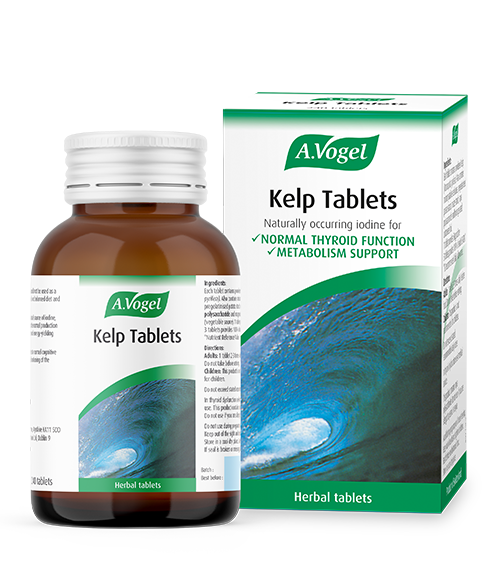
I’ve personally taken A.Vogel’s Kelp supplement for years because I felt it was something my body really needed during perimenopause and menopause. However, please be very careful — if you are already taking medication for an underactive thyroid, you should not take kelp alongside it.
.png?m=1774350323)
2. Selenium – Small Amounts, Big Benefits
Selenium is another mineral that’s needed in very small amounts. The recommended daily allowance is around 55 micrograms.
Despite this, selenium plays several vital roles. It’s a powerful antioxidant, supports immune function, helps reduce inflammation, and also supports healthy thyroid function.
Low selenium levels can contribute to symptoms such as:
- Low mood
- Fatigue
- Mood swings
- Joint aches and pains
How to Increase Selenium Naturally
Brazil nuts are one of the richest sources of selenium — and you only need one or two a day to meet your needs.
You’ll also find selenium in:
- Eggs
- Fish
- Sunflower seeds
For many people, a good balanced diet will provide enough selenium without the need for supplements. If you do choose to supplement, make sure you stay within the recommended daily allowance.
3. Vitamin E – An Antioxidant for Menopause Support
Vitamin E is another important nutrient that often doesn’t get much attention.
It’s a powerful antioxidant that helps protect our cells and supports heart health. Low levels of vitamin E have also been linked to symptoms such as:
- Hot flushes
- Brain fog
- Very dry skin.
The good news is that most people will get enough vitamin E from a varied, healthy diet.
Foods rich in vitamin E include:
- Nuts and seeds
- Wheat germ
- Seed oils such as sunflower oil
If you do decide to supplement, it’s important not to overdo it. You shouldn’t take more than 200 IU per day.
Final Thoughts: Nourishing Your Body Through Menopause
I spend a lot of time talking about the importance of a good, balanced diet and how much it can help you through menopause.
As you can see, these nutrients are all incredibly important — and apart from iodine, most can usually be obtained through healthy food choices.
I hope you’ve found this helpful. Have you ever discovered you were low in one of these nutrients? What symptoms were you experiencing, and did correcting it help?
Please share your experiences and tips — you know I love reading them.
Have a lovely week, and I’ll see you soon ?
.png?m=1774350323)