Driving anxiety is more common than you think
A few weeks ago, I talked about increased fears during the menopause, and driving anxiety was one of the most common concerns. So many women said things like, "I thought it was just me", or shared that they'd stopped driving altogether because it was becoming so overwhelming. So, why can this happen?
Why menopause can increase driving anxiety during menopause
During perimenopause and menopause, levels of oestrogen and progesterone fluctuate and begin to decline. These hormones don’t just regulate your monthly cycle - they also play a key role in supporting your mood and nervous system.
As hormone levels drop, your nervous system can become more sensitive. This means you may find yourself slipping into “fight or flight” mode much more easily, even in situations that never used to bother you, like driving.
That can lead to:
- Sudden feelings of panic or anxiety
- Taking longer to feel calm again
- A general sense of being out of control
On top of this, other menopause symptoms can make driving feel even more challenging:
- Brain fog, affecting concentration and memory
- Slower reaction times
- Fatigue from poor sleep
- Hot flushes, which can feel overwhelming in the car
- Changes in vision, including sensitivity to bright lights
- Difficulty with night driving, especially glare from headlights
If you’ve experienced any of these, it’s important to know this isn’t “just in your head”. There are real, physical reasons behind it.
1. Calm your nervous system before you set off
If you’re already dreading a journey before you’ve even picked up your keys, it’s worth taking a few minutes to reset your body first.
Try this:
- Spend 5–10 minutes doing slow, deep breathing
- Focus on breathing out more slowly than you breathe in
This simple shift signals to your nervous system that you’re safe. It can make a noticeable difference before you even get in the car.
Also, don’t forget the basics:
- Have a drink of water before you leave (or take one with you)
- Eat beforehand to keep your blood sugar stable - a sudden dip in blood sugar can trigger anxiety or even a panic attack.
Some extra support
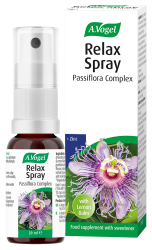
Some women also find natural support helpful. You can try the A.Vogel Relax Spray, which contains Passiflora—a herb traditionally used to promote relaxation and help calm the nervous system. Taking it around 10 minutes before you set off may help you feel more at ease.
Magnesium is another great option to consider. It plays an important role in supporting the nervous system and can help your body manage stress more effectively. That’s one of the reasons it’s included in our Menopause Support tablets.

A.Vogel Menopause Support | For Perimenopause, Menopause & Postmenopause Symptoms
£8.99 (30 tabs) In Stock
2. Make driving feel predictable and manageable
Uncertainty is a big trigger for anxiety. The more predictable your journey feels, the more at ease you’re likely to be.
A few simple ways to do this:
- Plan your route in advance, even for familiar journeys
- Use sat nav to reduce mental load
- Drive at quieter times or on less busy roads to rebuild confidence
I’ll admit, my own family still laughs at me because I use a sat nav even when I know exactly where I’m going. But it gives me that extra reassurance, and honestly, it helps.
It’s also worth reducing decision-making while you’re driving:
- Set your temperature before you leave
- Choose your music or radio station in advance
And give yourself plenty of time. Rushing can quickly turn mild nerves into full-blown stress.
The goal isn’t to avoid driving altogether - it’s to rebuild trust in your ability, step by step.
3. Create a calm and comfortable driving environment
Small adjustments inside the car can have a surprisingly big impact on how you feel.
Think about what helps you stay relaxed:
- Some people prefer silence, while others find music or podcasts soothing
- Keep the car at a comfortable temperature (not too hot to avoid triggering a hot flush)
- Let in a bit of fresh air if that helps you feel more at ease
Personally, I like having the window slightly open for fresh air, but I also like my feet warm. It sounds simple, but these little comforts really do make a difference.
Also, be mindful of your inner voice
One of the most powerful tools you have is how you talk to yourself.
It’s easy to slip into self-criticism:
- “I can’t do this anymore”
- “I’m a terrible driver”
Instead, try to reframe those thoughts:
- “I’m safe”
- “I’ve prepared for this”
- “I can handle this journey”
It might feel small, but it can shift your mindset more than you’d expect.
My personal story: recognising my biggest driving trigger
For me, one of my biggest challenges was driving through Glasgow on the M8. If you know it, you’ll understand, it’s not the easiest road at the best of times.
I noticed that every time I came out the other side, I’d suddenly get a big hot flush in exactly the same spot. It took me a while to figure out why.
Eventually, I realised that while driving through that busy stretch, I was:
- Holding my breath
- Gripping the steering wheel tightly
By the time I relaxed, my nervous system had already been pushed into overdrive, triggering the hot flush.
Once I became aware of it, I started focusing on my breathing while driving through that section. That simple change made a huge difference.
It’s a good reminder to notice your own triggers, especially on regular routes.
When to consider extra support
If driving anxiety is really holding you back, it might be worth looking into an advanced driving course.
I found this incredibly helpful. It boosted my confidence and helped me rediscover my enjoyment of driving.
You’re not alone
One of the most surprising things is just how many women experience this, but it isn't talk about enough!
If you’ve been struggling, know that it’s common, it’s understandable, and there are ways to manage it.
Have you experienced driving anxiety during menopause? Is there anything that helped you feel more confident again? I’d love to hear about your experience. Share it in the comments.
Other articles that may interest you:
5 symptoms that can affect your driving in perimenopause and menopause
“I’m getting more anxious and panicky while driving” | Perimenopausal Stories.