Why Does Menopause Cause Overstimulation?
Oestrogen plays a key role in how the brain processes sensory information. That includes touch, taste, smell, sight and hearing.
When oestrogen levels begin to drop during menopause, the nervous system can become more reactive. It’s almost as though the brain turns up the volume on sensory input while lowering the filter that usually softens it.
As a result, you may become much more sensitive to your surroundings and everyday situations can suddenly feel intense or difficult to tolerate.
This heightened sensitivity can also trigger anxiety, irritation and feelings of being jittery or overwhelmed.
Common Signs of Sensory Overload During Menopause
Menopause-related overstimulation can show up in lots of different ways.
Noise Feels Louder Than Before
Many women notice that sounds become much harder to tune out, especially in busy or crowded places.
You may struggle more with:
- Busy supermarkets
- Crowded trains
- Open-plan offices
- Traffic noise
- Restaurants or cafés with lots of background chatter
One lady told me she could suddenly hear her husband chewing at the dinner table so loudly that it irritated her every single day.
Things that your brain once filtered out automatically can suddenly become impossible to ignore.
Bright Lights Become Uncomfortable
Harsh lighting is another common trigger.
Supermarkets often come up as a big one, but street lighting and bright car headlights at night can also feel particularly overwhelming.
Many women say driving in the dark becomes much more stressful because modern headlights feel painfully bright.
Clothing and Fabrics Feel Irritating
Touch sensitivity can become a real issue too.
Clothes you once found comfortable may suddenly feel itchy, scratchy or unbearable against your skin. Woollen jumpers, synthetic fabrics and even certain laundry detergents or fabric conditioners can start causing irritation.
You may find yourself becoming much more selective about what you wear simply because comfort suddenly matters so much more.
Smells and Foods Change
Taste and smell can shift dramatically during menopause as well.
Perfumes you once loved may suddenly feel overpowering or even make you feel sick. Foods can taste completely different too.
Some women notice foods becoming overly sweet, while others find things taste much saltier than before or simply “not right”.
When all of these sensory changes happen at once, the body can remain in a constant state of alert, which can then make you even more sensitive. It often becomes a vicious cycle.
Understanding What’s Happening Can Really Help
One of the most important things to remember is this:
You are not “going mad”, and it is not “all in your head”.
These changes are very real and are linked to what’s happening hormonally and neurologically during menopause.
Once you understand why it’s happening, it becomes much easier to support yourself and your nervous system.
How to Reduce Sensory Overload During Menopause
They are lots of simple things you can do. Here are a few which I regularly recommend:
1. Lower Your Sensory Load Where You Can
Small adjustments can make a surprisingly big difference.
You could try:
- Turning the TV volume down slightly
- Using warmer, softer lighting at home
- Shopping early in the morning or later in the evening when shops are quieter
- Taking regular quiet breaks during the day
Many supermarkets now offer quiet hours designed for people with sensory sensitivities. There’s no reason why menopausal women can’t benefit from these too.
Even finding a quiet space for a few minutes can help reset your nervous system.
2. Choose Softer, More Comfortable Clothing
Some fabrics may suddenly feel much kinder on sensitive skin.
Personally, I found bamboo clothing and silk much more comfortable to wear. They can also help if you’re experiencing flushing or sweating because they tend to disperse moisture more easily and feel gentler against the skin.
Sometimes even changing your washing powder or fabric conditioner can help.
3. Build Quiet Time into Your Day
Giving your nervous system regular breaks can be incredibly helpful.
If possible, try to build in 20 to 30 minutes of quiet time each day. But even five minutes of switching off can help if you work in a busy office or have a hectic schedule.
Gentle calming activities can also make a real difference, including:
- Deep breathing
- Yoga
- Tai chi
- Qigong
- Gentle stretching
These practices help calm both the body and the mind.
4.Give Your Nervous System Extra Support
There are also other simple ways to help soothe and calm an overstimulated nervous system.
Slow, deep breathing is one of the simplest and most effective tools. Some women also find herbs such as passion flower helpful. Our Passiflora Relax Spray can be particularly useful because it’s easy to carry around in your handbag or keep at work, so you can use it discreetly whenever you need help to relax.
Magnesium is another nutrient that’s often recommended because of the important role it plays in calming the mind and supporting the nervous system. This is why I often recommend our Menopause Support tablets, as they contain magnesium alongside plant-based ingredients designed to support women through the menopause.
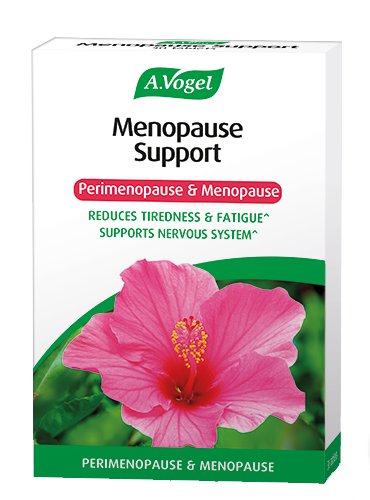
A.Vogel Menopause Support | For Perimenopause, Menopause & Postmenopause Symptoms
£8.99 (30 tabs) In Stock
Interestingly, there is now growing research showing that humming and singing may also help regulate the nervous system.
I know some women who sing in choirs say they find it incredibly uplifting and calming — a chance to completely switch off for a while. And of course, there’s nothing stopping you from having a little sing in the shower too.
5. The Benefits of Walking in Nature
Spending time outdoors can also be hugely beneficial.
The Japanese often talk about “forest bathing” and the positive effects nature has on both physical and mental wellbeing.
Whether it’s a walk through your local park or a couple of hours in the countryside, stepping away from the noise of modern life and listening to birdsong and nature instead can feel incredibly soothing.
Will Menopause Overstimulation Go Away?
For most women, this phase does improve over time.
Many women later say that while they experienced heightened sensitivity during menopause, it gradually eased as their hormones settled and balanced out again.
So, try not to think of this as permanent. In many cases, these symptoms do pass.
Have you experienced sensory overload during menopause? You’re certainly not alone, and sharing experiences can often help other women feel understood too.
Other articles that may interest you:
How menopause affects your 5 senses
5 Signs Your Nervous System is Overloaded During Menopause (And How to Fix It)