The Hormone Link: Serotonin, Progesterone and Blood Sugar
Before your period, levels of progesterone and the “happy hormone” serotonin naturally drop. These changes are closely linked to increased appetite and cravings.
There’s also evidence that many women become more sensitive to changes in insulin levels at this time in the cycle. That affects how well blood sugar is regulated, which can leave you feeling hungrier and less satisfied after eating.
In short, there are lots of biological reasons why you might feel like you need more food.
Why Hunger Can Feel Worse in Perimenopause
In perimenopause, hormone levels don’t necessarily fall lower – but they do become far more erratic. This unpredictability is much more dysregulating for the body. As a result, hunger spikes can feel stronger, PMS symptoms can worsen, and cravings can become more intense and harder to predict.
You Need More Than Willpower
There are days in the month when willpower alone just isn’t enough. That’s where stabilising strategies really matter.
I’m a big believer in tracking your hunger patterns. It helps you spot the times of the month when you’re more vulnerable, as well as your personal triggers. For example, if I’ve had several glasses of wine and very little sleep, I know I’ll be absolutely starving the next day. That’s a scenario I save for special occasions.
Be Kind to Yourself Around Food
First and foremost: don’t beat yourself up. If you have a treat, you deserve it.
Eating regular meals makes a huge difference. It helps stabilise blood sugar levels and can significantly reduce cravings. Try to respond to hunger rather than just reacting to it.
A balanced meal can really help – include:
- A good source of protein
- Slow‑release carbohydrates (such as brown bread instead of white)
These small changes can help you feel fuller for longer.
Don’t Skip Meals (Especially Breakfast)
Try not to miss meals, particularly breakfast. Make snacks satisfying rather than something you grab on the go.
Some people also find it helpful to keep their eating within a consistent window. For example, eating between 7am and 7pm means food is coming in when you’re active and need energy, rather than late in the evening.
Supplements and Extra Support
Supplements can be useful when your body needs a little extra support. Menopause Support is a supplement designed for perimenopause right through to menopause. It contains soya isoflavones, magnesium and hibiscus.
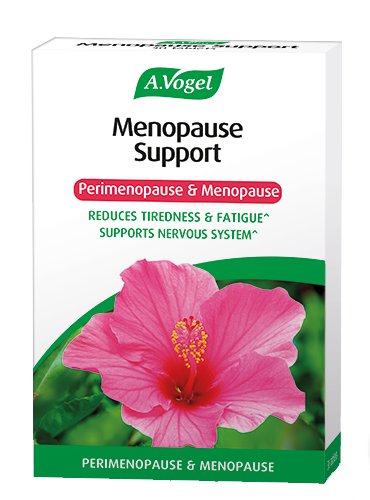
A.Vogel Menopause Support | For Perimenopause, Menopause & Postmenopause Symptoms
£8.99 (30 tabs) In Stock Get it tomorrow, 26th March.
Heavy Periods and Iron Deficiency
During perimenopause, periods can become heavier and cycles can shorten. Increased blood loss can make some women iron deficient.
This is a form of malnutrition, and it can seriously increase cravings, largely because you’re exhausted all the time. If you suspect this might be an issue, speak to your GP and ask for a simple blood test to rule out anaemia.
Final Thoughts
Perimenopause hunger is real, common and biologically driven. Supporting your body with regular meals, balanced nutrition, rest and – when needed – medical advice can make a big difference.
If you have any tips or tricks that have helped you manage cravings or hunger during perimenopause, we’d love to hear them in the comments.